 0
0 TECHNIQUES FOR WELDING WITH DIFFERENT METALS
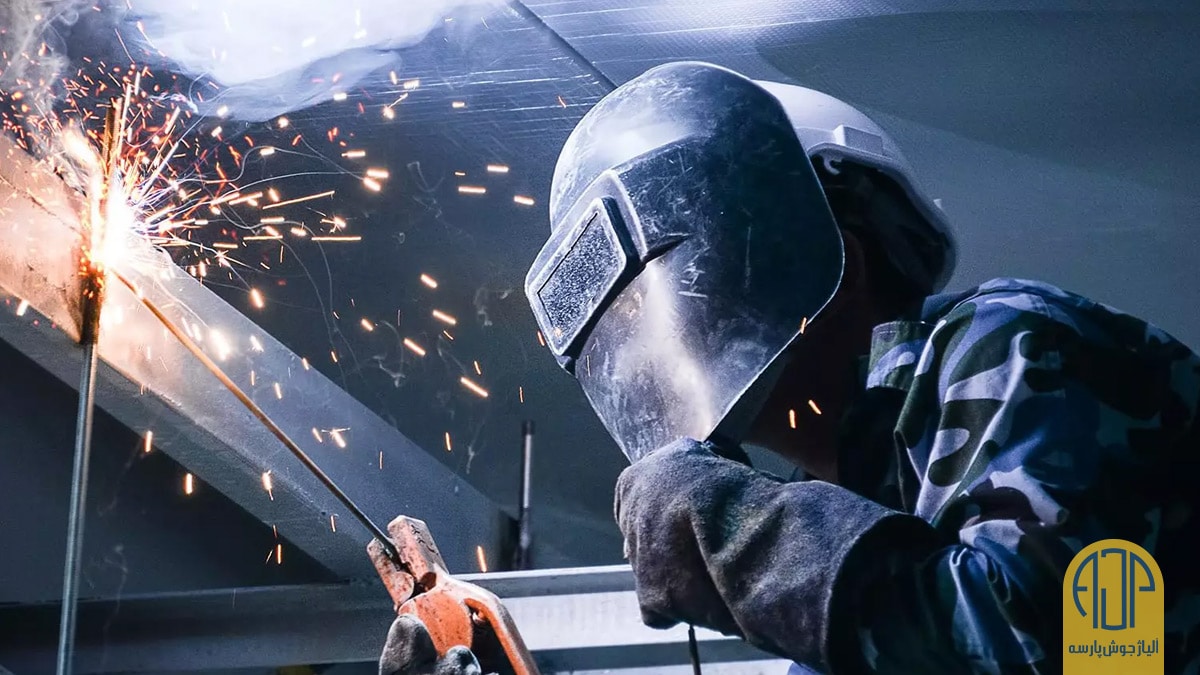
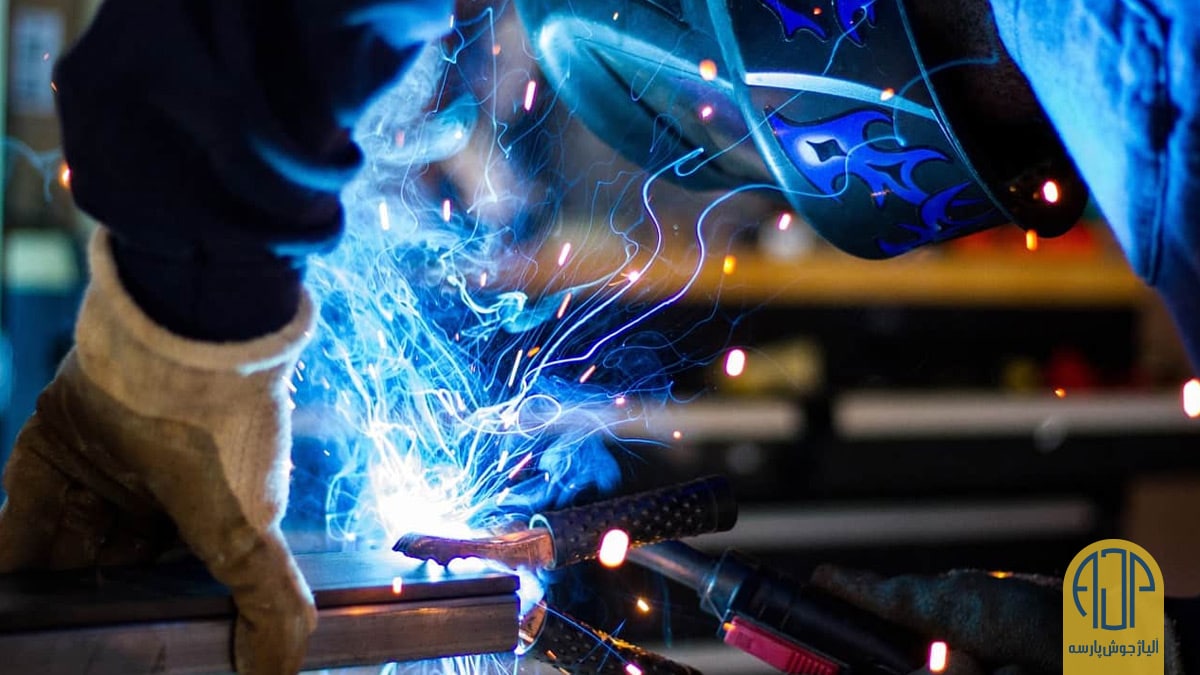
Welding involves multiple techniques suited to different applications and materials. The most common welding processes include:- Resistance welding
- Shielded metal arc welding (SMAW)
- Gas metal arc welding (MIG)
- Gas tungsten arc welding (AC-TIG or DC-TIG)
- Flux-cored arc welding (FCAW)
STEEL AND STAINLESS STEEL WELDING
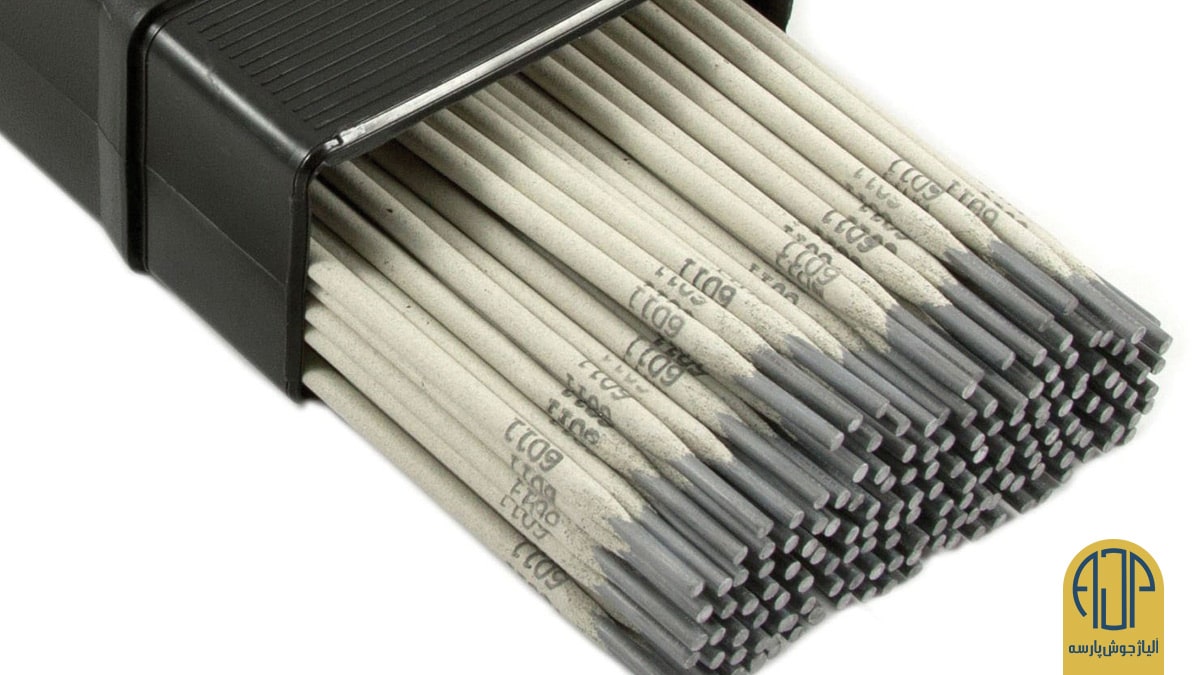
Most suitable welding techniques: SMAW, DC-TIG, MIG, FCAW, resistance Iron-based metals such as steel and stainless steel tend to work with the highest number of techniques compared to others. Low carbon mild steel acts as one of the most weldable metals available. Its composition includes low amounts of elements that can decrease the risk of a failed weld. Stainless steel has a more complex chemical composition, but it can also work with multiple techniques that account for oxidation.ALUMINUM WELDING
Most suitable welding techniques: SMAW, AC-TIG, MIG Grades of aluminum that fall in the 1XXX and 6XXX series can undergo select welding techniques. A 1XXX series aluminum does not require much extra effort during the welding process, making it simple to handle. Meanwhile, a welder can work with 6XXX aluminum if they use proper welding operations and filler material.TITANIUM WELDING
Most suitable welding technique: DC-TIG When a welder protects titanium from oxidation, they can use it to achieve sturdy and long-lasting results. Titanium requires full coverage from a shielding gas to provide a high level of weld integrity.CAST IRON WELDING
Most suitable welding technique: SMAW Cast iron poses more difficulty during the welding process than metals such as steel or aluminum. Its high carbon content requires careful preheating and heating methods that provide gradual temperature changes.