
 0
0 
WHAT IS STAINLESS STEEL?
Stainless steel is an iron-based alloy containing variable amounts of chromium, which is the element that gives stainless steel its rust-proof reputation. The degree of chromium can vary from 11% to 30% with each variation having slightly different chemical attributes that influence how it performs. Stainless steel continues to grow in popularity because it’s a strong material that is resistant to many types of liquid, gaseous and chemical corrosion. It takes a lot to tarnish this substance and it performs well in a variety of different material applications. In fact, because many stainless-steel grades can withstand extreme hot and cold temperatures, it’s a popular material of choice for the pipe and oil industry. Restaurants, craft breweries and medical equipment companies rely on its resistance to bacterial growth, making it a safe choice for food prep, medical needs and for transporting corrosive chemicals. On the other side of the equation, stainless is an expensive metal — three to five times more costly than mild steel. When it comes to welding this costly material, it can be a tricky choice for several reasons.Is welding stainless steel difficult?
Stainless steel retains heat very efficiently, which makes welding it a bit more difficult especially for the novice welder. When faced with excessive welding heat, stainless steel can warp from high temperatures and even distort during the cooling process. It can also be very unforgiving aesthetically as it displays every blemish and scratch mark that’s left behind. Similarly, if you’ve ever welded on a metal table, you know to take precautions before starting because it scratches so easily. All of that to say that stainless is not very forgiving when it comes to hiding mistakes and tends to favor the more experienced welder.What type of welding is best for stainless steel?
The not-so-simple answer is, it depends on what result you’re trying to achieve. Stainless steel can be welded with shielded metal arc welding (MIG), gas tungsten arc welding (TIG), and stick welding, and each of these processes will yield a slightly different result. To find the best welding process for your project, consider the following factors: the welder’s skill level, the aesthetics of the final piece including bead appearance, the thickness of the metal plus the costs and timing factors of the project. If artistry is paramount, then the finesse of TIG welding could be a good fit, but if speed and efficiency are a priority, then MIG welding may be a better process.Can you TIG weld stainless steel?
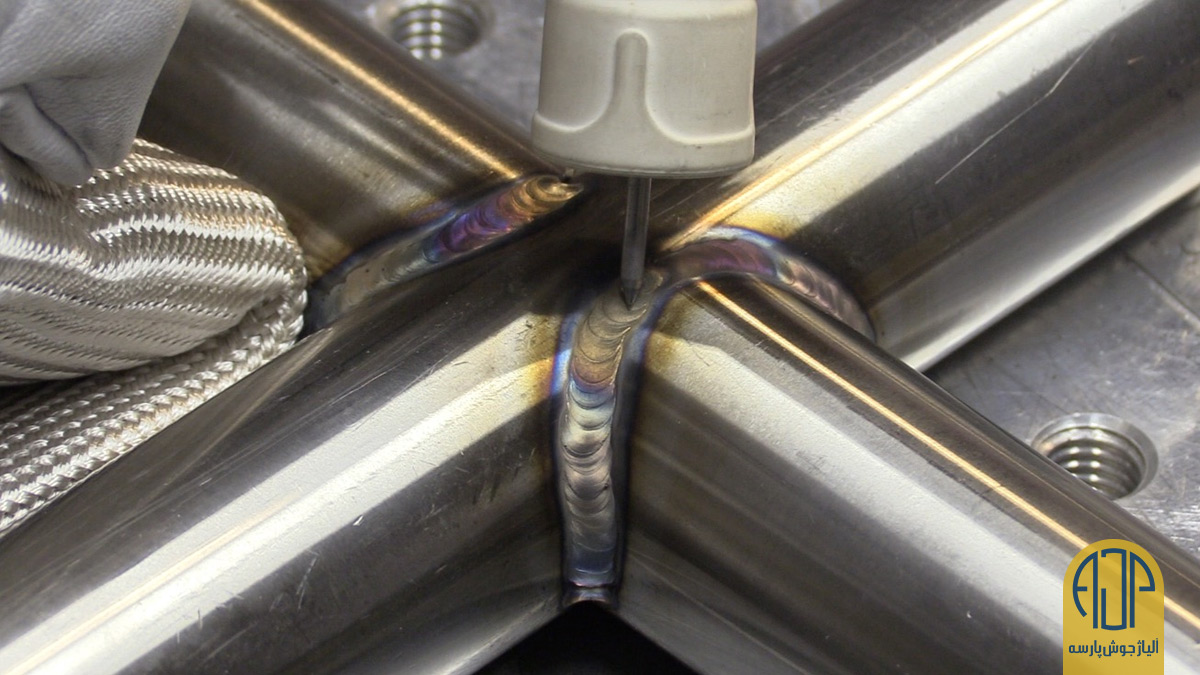
TIG welding is known for its precision which is why it’s the go-to process for projects that demand clean, controlled welds, especially on less-forgiving materials like stainless steel alloys or aluminum. Although it produces beautiful welds, it is also the slowest welding process, requiring an experienced welder with excellent technique. It’s also easiest to control distortion here. MIG welding is a better choice for jobs that aren’t concerned with looks or finesse welds but do need the work to be finished efficiently and cost-effectively. MIG welding on stainless uses simple equipment that can be transported easily, which is why it’s a popular choice for maintenance and repair work. Other factors to consider: the costs and characteristics of the filler metal, how complex the equipment is, and the experience level of the welder.